
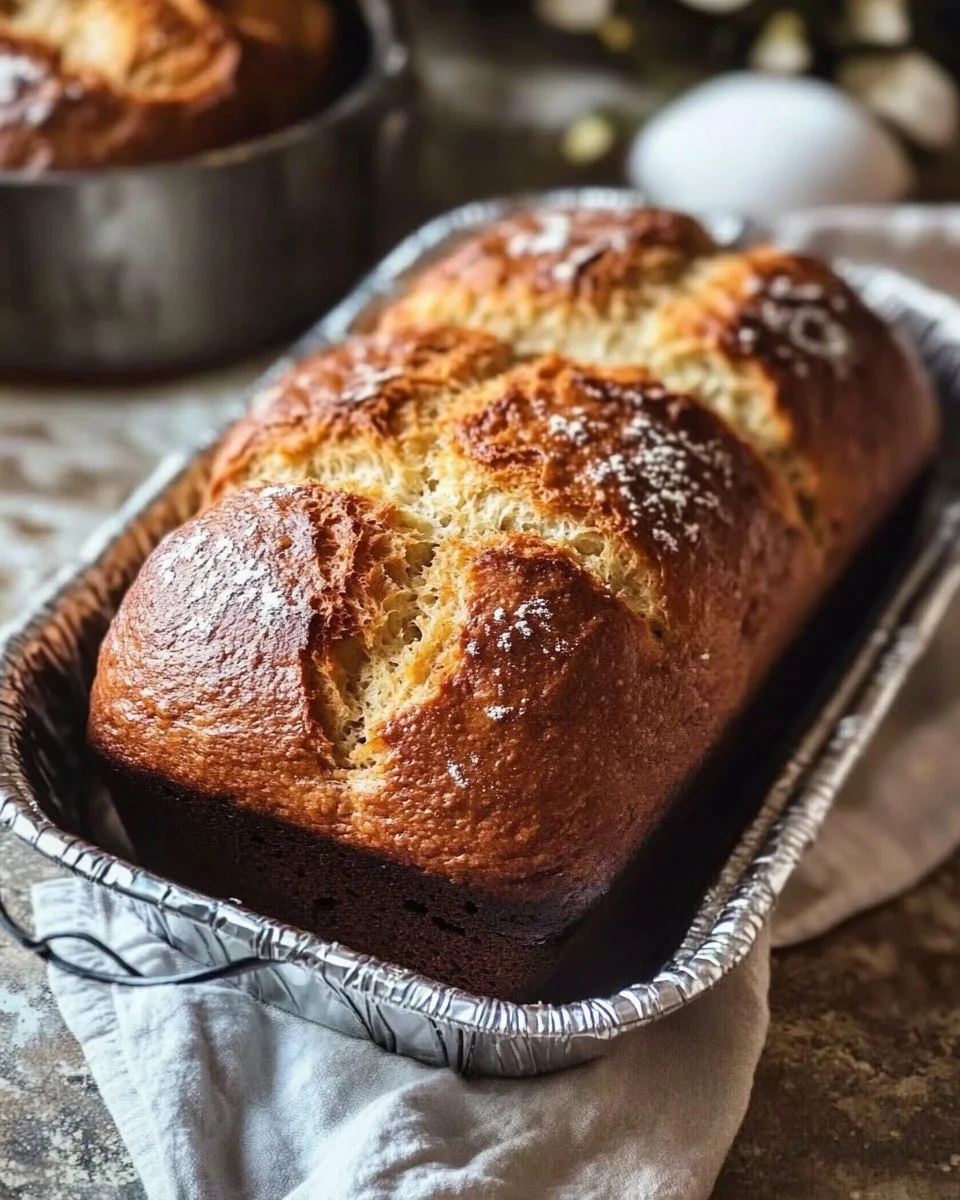
There’s something undeniably comforting about the aroma of freshly baked bread wafting through your kitchen. Church loaves, with their soft, golden crusts and tender interiors, are one of those delightful bakery treats that can effortlessly elevate any meal or occasion. Whether you’re celebrating a special event or simply enjoying a casual family dinner, these homemade loaves bring warmth and joy to any table. What’s even better? This recipe is straightforward and perfect for bakers of all skill levels, making it a must-try for anyone looking to add a touch of homemade goodness to their culinary repertoire.
What Makes This Recipe Special
This church loaf recipe is not only easy to follow, but also budget-friendly and quick, allowing you to prepare delicious, homemade bread without spending all day in the kitchen. Using just a handful of common ingredients, you can create loaves that rival what you might find at a local bakery. The process is simple, with minimal prep time and straightforward steps, making it perfect for novice bakers and experienced cooks alike. Plus, the satisfaction of kneading dough and transforming basic ingredients into something magical is an experience in itself!
A Beginner-Friendly Approach to Baking Bread
If you’re new to bread baking, fear not! This recipe guides you through the entire process from start to finish, ensuring that you feel confident every step of the way. You start by activating the yeast, an essential step that gets the dough rising and fluffy. After mixing and kneading, it’s time to let the dough rest and rise, which is where the magic happens. Finally, you’ll shape the dough and bake it to perfection. By following these steps, you’ll be well on your way to enjoying the warm, comforting taste of homemade church loaves.
Ingredients
To make these delightful church loaves, you will need the following ingredients:
- 4 cups all-purpose flour
- 1 cup sugar
- 1 package (2 1/4 teaspoons) active dry yeast
- 1 teaspoon salt
- 1 cup warm water
- 1/4 cup milk
- 1/4 cup butter, softened
- 2 large eggs
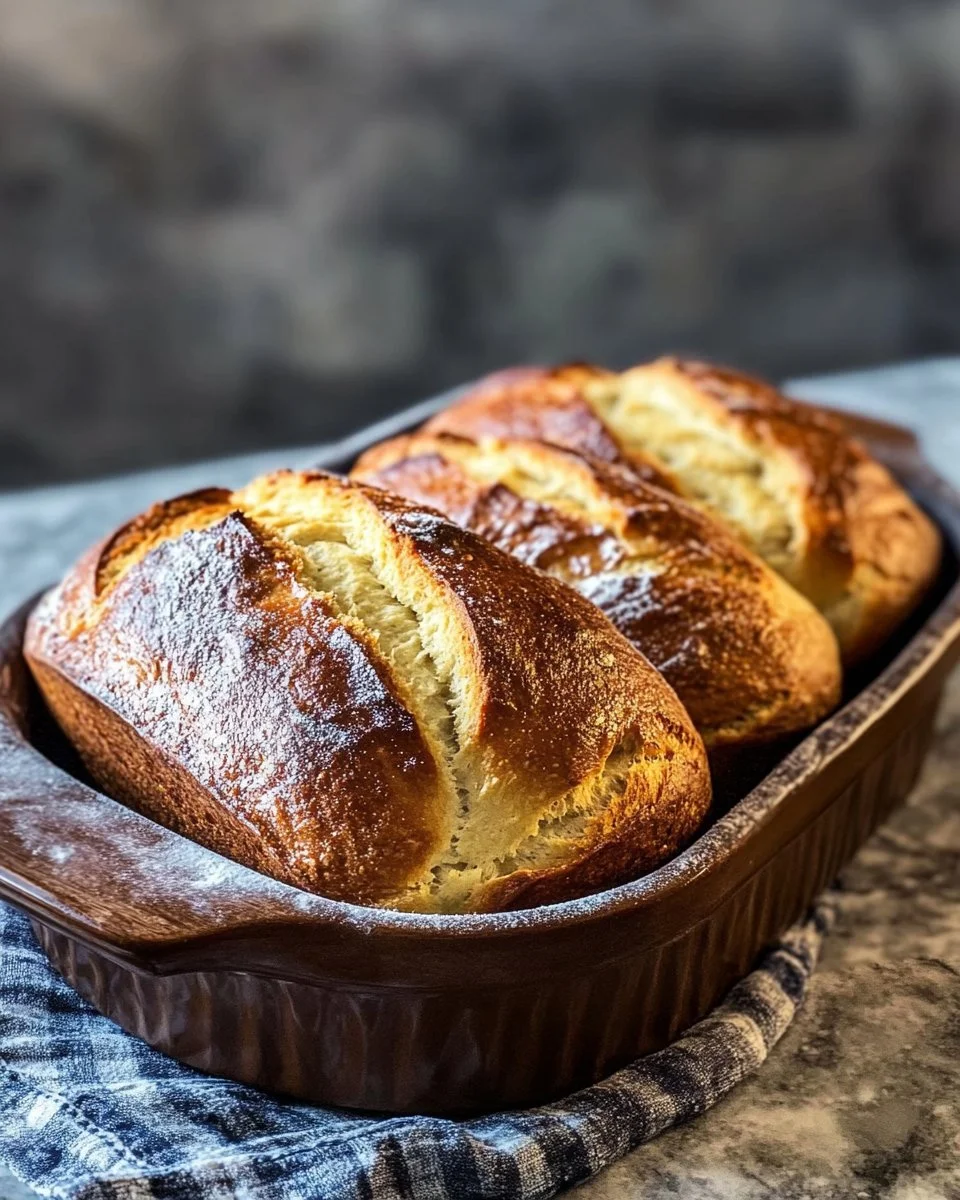
Each ingredient plays a crucial role in achieving the perfect loaf. For instance, the all-purpose flour provides the structure, while sugar adds sweetness and enhances browning. Active dry yeast is the key ingredient for leavening, ensuring that your loaves rise beautifully, and eggs contribute to a rich texture. Understanding these components helps you appreciate the art of bread baking.
Step-by-Step Instructions
Now, let’s break down the process of creating these delectable church loaves:
- In a large mixing bowl, combine warm water, yeast, and a pinch of sugar. Let it sit for about 5 minutes until bubbly. This step is crucial as it activates the yeast, ensuring your loaves will rise well.
- Add the flour, sugar, salt, milk, butter, and eggs to the yeast mixture. Mix everything until a dough forms.
- Knead the dough on a floured surface for about 5-7 minutes until smooth. This step develops the gluten, which gives your bread its structure and chewiness.
- Place the dough in a greased bowl, cover with a cloth, and let it rise in a warm place for 1 hour, or until doubled in size. This rising time is essential for a soft, fluffy loaf.
- Punch down the dough to release excess air and divide it into 4 equal portions. Shape each portion into a loaf, and place them in greased loaf pans.
- Let the loaves rise again for about 30 minutes. This second rise is important for achieving a light and airy texture.
- Preheat your oven to 350°F (175°C).
- Bake the loaves for 25-30 minutes, or until golden brown. A good way to check for doneness is to tap the bottom of the loaf; it should sound hollow.
- Remove from the oven and let cool before serving. This cooling time allows the bread to finish baking and makes slicing easier.
Delicious Ways to Enjoy Church Loaves
This church loaf serves as a fantastic side for numerous meals. You can slice it warm and serve it alongside a hearty soup or a fresh salad. It also pairs wonderfully with butter and jam for breakfast or as a delightful snack. Consider making a scrumptious sandwich using your favorite fillings, or simply enjoy a warm slice straight from the oven. These loaves are perfect for gatherings, potlucks, or as an everyday family treat.
How to Store and Reheat Your Loaves
After baking, if you find yourself with leftover loaves, proper storage is key to maintaining their freshness. Store your cooled church loaves in an airtight container or wrap them tightly in plastic wrap. They can stay fresh at room temperature for up to 3 days. For longer storage, consider placing them in the freezer. Wrap them well in plastic wrap and foil, and they can be stored for up to 3 months.
When you’re ready to enjoy your frozen church loaves, simply thaw them at room temperature for several hours or overnight. To refresh them, pop the loaves in a preheated oven at 350°F (175°C) for about 10-15 minutes to warm them through. This will help restore their crusty exterior and soft interior.
Expert Advice for Perfect Loaves
Baking is both an art and a science, so here are some helpful tips to improve your results:
- Make sure your yeast is fresh. Expired yeast can lead to dense loaves that don’t rise properly.
- Use a kitchen thermometer to ensure your warm water is around 110°F (43°C). This temperature is ideal for activating yeast without killing it.
- Dough should be slightly tacky but not overly sticky; adjust with more flour or water as needed during kneading.
- When kneading, work the dough until it becomes smooth and elastic—this usually takes about 5-7 minutes. Don’t rush this process!
Creative Twists on the Classic Church Loaf
If you want to customize your church loaves, there are countless variations you can try. Here are a few ideas:
- Add herbs: Mix in dried herbs like rosemary or thyme for a savory twist.
- Cheese: Incorporate shredded cheese into the dough for a delicious cheesy loaf.
- Sweets: For a sweet version, add cinnamon and raisins or chocolate chips to the dough.
- Whole grain: Substitute a portion of the all-purpose flour with whole wheat flour for added nutrition.
Common Questions Answered
1. Can I use instant yeast instead of active dry yeast?
Yes, you can! Just mix the instant yeast directly with the dry ingredients—there’s no need to activate it in warm water.
2. What if my bread doesn’t rise?
Ensure your yeast is fresh and your water is at the correct temperature. If the dough still doesn’t rise, it could be due to the environment being too cold; find a warmer spot for it to sit.
3. How can I tell when my loaves are done baking?
The loaves should be golden brown, and tapping the bottoms should sound hollow. You can also use a thermometer; the internal temperature should reach around 190°F (88°C).
4. Can I make this dough in advance?
Absolutely! You can prepare the dough up to the first rising step, cover it tightly, and refrigerate it overnight. Just allow it to come to room temperature before shaping and letting it rise again.
5. How can I make my church loaves softer?
Incorporating additional fat, like more butter or an egg wash on top before baking, can result in softer bread. Make sure to knead the dough well to develop gluten, which helps improve texture.