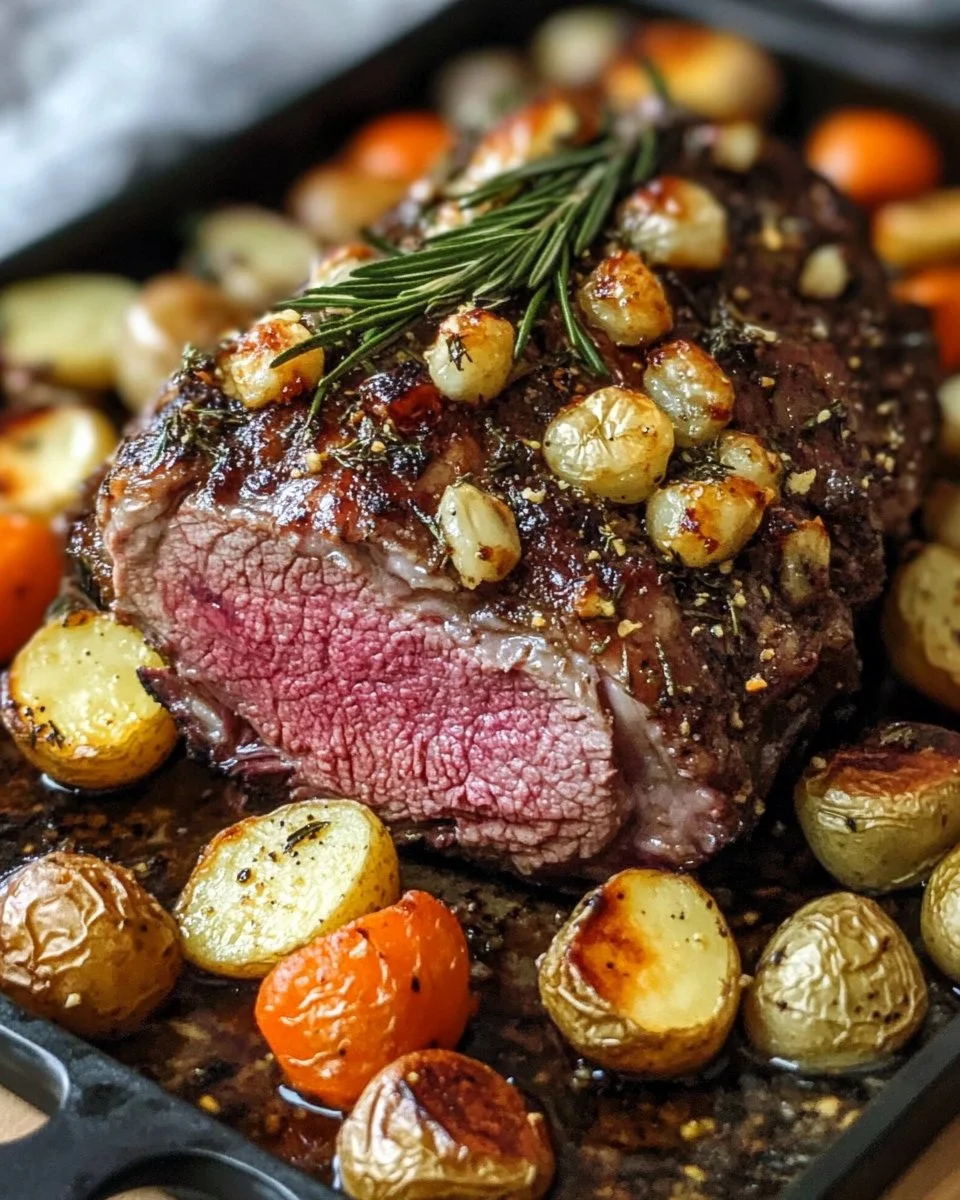
When it comes to special occasions or cozy family dinners, nothing beats the succulent taste of a perfectly roasted leg of lamb. This dish, infused with aromatic garlic and fresh rosemary, elevates any meal to extraordinary heights. The savory flavors melt in your mouth, making it a joy to serve and an even greater delight to eat. Whether you’re celebrating a holiday or hosting a weekend gathering, this recipe is one you’ll want to keep handy. Its appealing aroma and rich taste will leave your guests raving long after the last bite!
What Makes This Dish a Showstopper
This roasted leg of lamb recipe stands out due to its simplicity and bold flavors. With just a handful of ingredients, you can create a dish that feels gourmet yet achievable for home cooks of all levels. The preparation is straightforward, requiring minimal hands-on time while the oven does the heavy lifting. This means you can sip a glass of wine or entertain your guests as the lamb roasts to perfection, making it a stress-free option for any celebration.
Simple Steps to Culinary Success
Embarking on this culinary adventure will lead you through a series of easy steps. You’ll start by bringing your lamb to room temperature for even cooking. After scoring the fat cap, you’ll create a delicious paste that will coat the meat, infusing it with flavor. Then, it’s just a matter of roasting until the lamb reaches that perfect medium-rare doneness. Within a few hours, you’ll present an incredible centerpiece for your dining table that looks as good as it tastes.
Ingredients
- 4–5 pounds leg of lamb, bone-in or boneless
- 6–8 large cloves garlic, minced
- 4–6 sprigs fresh rosemary, finely chopped
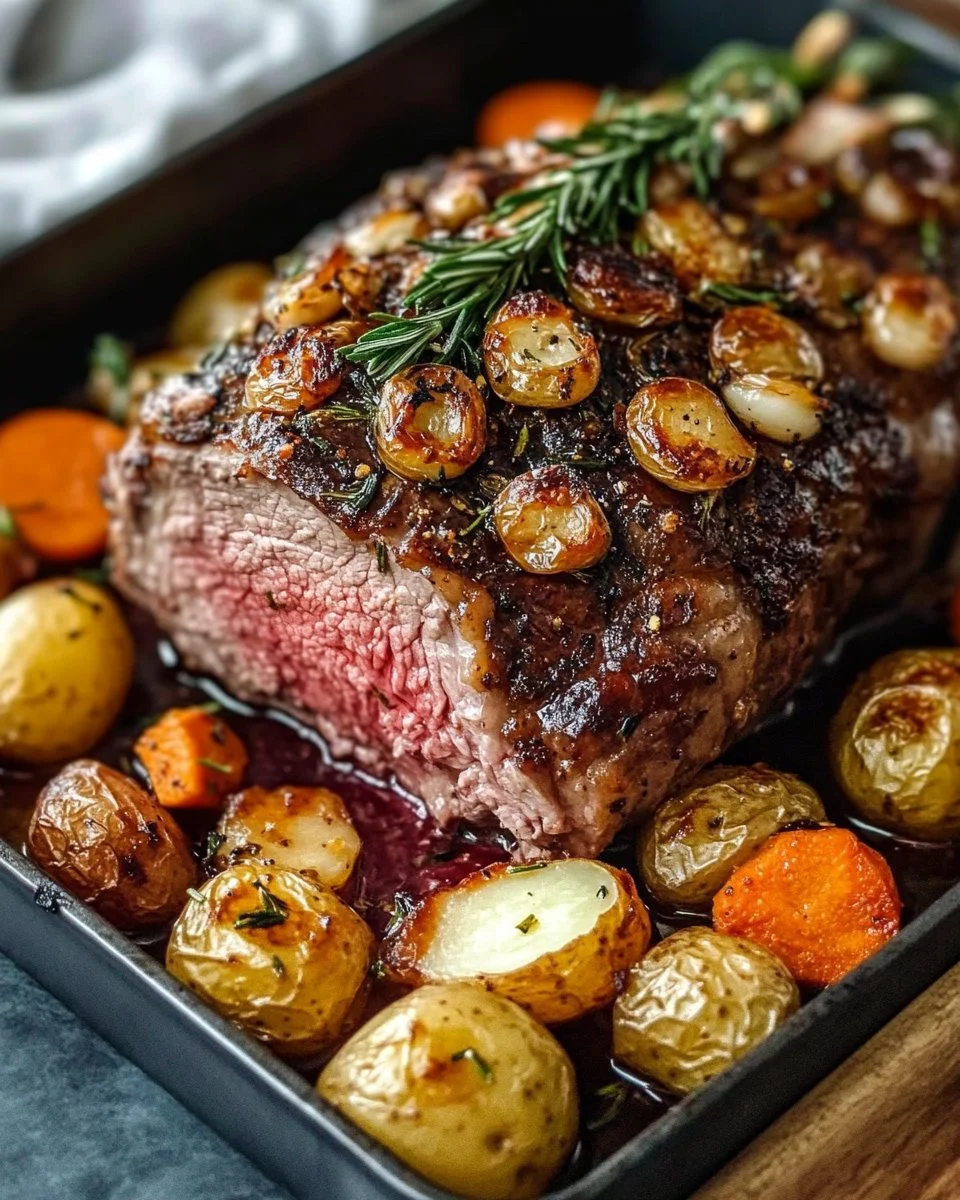
- 3 tablespoons olive oil
- Zest of 1 lemon (optional)
- 2 teaspoons kosher salt
- 1 teaspoon freshly cracked black pepper
- Carrots, potatoes, and onions (optional, for roasting alongside the lamb)
Step-by-Step Instructions
1. Start by taking the leg of lamb out of the refrigerator at least 1 hour before cooking. This allows it to come to room temperature, which helps in even cooking.
2. Pat the lamb dry with paper towels to remove excess moisture. If there’s an excess layer of fat, feel free to trim it but leave a thin layer to retain moisture while roasting.
3. In a small bowl, mix the minced garlic, chopped rosemary, olive oil, lemon zest (if using), kosher salt, and black pepper. The result should be a thick paste that’s easy to spread.
4. Using a sharp knife, make shallow cuts in a crisscross pattern across the fat cap on the lamb. This helps the flavors to penetrate into the meat.
5. Generously massage the garlic and rosemary mixture all over the lamb, ensuring it’s worked into the scored areas for maximum flavor absorption. Let the lamb marinate for about 30 minutes at room temperature to enhance the flavor.
6. Preheat your oven to 375°F (190°C). Position the roasting rack in a pan; if you’re including vegetables, scatter them at the bottom of the pan for a one-pan meal.
7. Roast the lamb in the oven for approximately 1 hour and 45 minutes, or until the internal temperature reaches 135°F (57°C) for medium-rare. A reliable meat thermometer is key here, so ensure you have one on hand.
8. Once cooking is finished, remove the lamb from the oven and tent it loosely with aluminum foil. Allow it to rest for 15–20 minutes, during which time the juices will redistribute, making the meat more succulent.
9. Lastly, carve the lamb into thin slices against the grain using a sharp knife. Serve your delicious roast with roasted vegetables and the flavorful pan drippings for a meal that’s truly unforgettable!
Delicious Ways to Serve Your Lamb
This roasted leg of lamb pairs beautifully with a variety of sides. Think about serving it alongside creamy mashed potatoes, roasted seasonal vegetables, or a refreshing salad. A glass of red wine, such as a Cabernet Sauvignon or a Syrah, complements the rich flavors of the lamb perfectly. Consider it for family gatherings on Easter or Christmas, or even a Sunday dinner when you want to impress your loved ones.
Storing Leftovers Like a Pro
If you have any leftovers (which may be rare!), store them in an airtight container in the refrigerator for up to three days. You can also freeze slices of lamb for up to three months. When you’re ready to enjoy them, thaw in the refrigerator overnight, and reheat in the oven at 300°F (150°C) to prevent drying out. Cover with foil to keep moisture in.
Essential Tips for Perfect Lamb
For a flawless roast, here are a few handy tips:
- Use a meat thermometer to avoid uncertainty with doneness.
- Letting the lamb rest is vital; it ensures every bite is juicy.
- Scoring the fat cap not only adds beauty but enhances flavor absorption.
Be careful to avoid cooking it too long, which can lead to a dry roast. Keep an eye on the internal temperature during the last stages of cooking.
Flavorful Variations to Try
While the garlic and rosemary combination is classic, you can switch things up to suit your taste:
- For a Mediterranean twist, add cumin and paprika to the garlic mix.
- Fresh herbs like thyme or mint can add a unique flavor profile.
- Try a glaze of honey and mustard for a sweet and tangy finish.
Feel free to incorporate seasonal vegetables in the roasting pan, such as seasonal squash or Brussels sprouts, for additional flavors and nutrition.
Common Questions About Roasted Leg of Lamb
- How do I know when the lamb is cooked to my liking? Use a meat thermometer to check the internal temperature. Aim for 135°F (57°C) for medium-rare.
- Can I marinate the lamb overnight? Absolutely! Marinating can enhance the flavors significantly. Just cover it tightly and refrigerate.
- What’s the best way to carve the lamb? Always carve against the grain. This will help keep the meat tender and easier to chew.
- Is it safe to cook frozen lamb? It’s best to thaw lamb completely before cooking. This ensures even cooking throughout.
- Can I use dried rosemary instead of fresh? You can, but fresh rosemary gives a more vibrant flavor. If using dried, reduce the amount by half.