1. Introduction
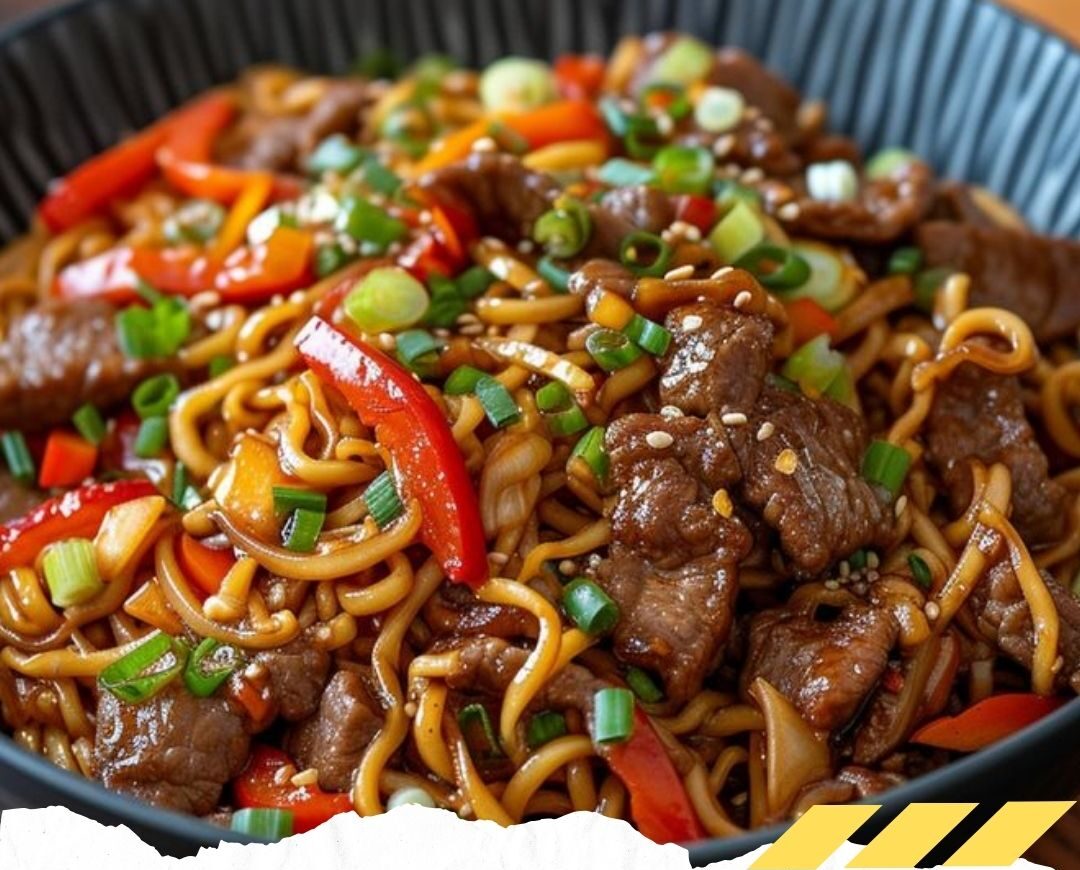
Craving something savory, satisfying, and bursting with flavor? Then Beef Chow Mein is the answer! Imagine a bowl of glossy noodles intertwined with juicy beef slices, caramelized onions, and scallions — all coated in a rich soy and oyster sauce blend.
This classic Chinese-inspired dish has become a global favorite because it’s quick, flavorful, and comforting. Whether you’re a beginner cook or a kitchen pro, this Beef Chow Mein recipe will make you feel like a takeout chef right in your own home.
2. What Makes Beef Chow Mein So Special?
What makes Beef Chow Mein so irresistible? It’s the balance of textures and flavors — the tender beef, chewy noodles, crisp onions, and umami-packed sauce. Think of it as a symphony in a wok, where each ingredient plays its part to create harmony.
It’s a dish that brings comfort, flavor, and satisfaction in just one bite — no wonder it’s one of the most beloved stir-fry dishes worldwide.
3. Ingredients You’ll Need
Here’s everything you’ll need to make this mouthwatering Beef Chow Mein:
2 portions of noodles (300 g / 10.6 oz, fresh egg noodles)
1.5 tbsp soy sauce
3 tbsp oyster sauce
1.5 tsp dark soy sauce
3 tbsp peanut oil
300 g (10.6 oz) beef (chuck, flank, ribeye, or sirloin steak)
1/4 tsp salt
1/8 tsp baking soda
2 tbsp chicken or vegetable broth
1/2 tbsp soy sauce
1/2 tbsp cornstarch
Black pepper to taste
1 medium-size onion, thinly sliced
3 scallions, cut into 2-inch pieces
4. Why Each Ingredient Matters
Each ingredient contributes something essential:
Beef: The star of the show — choose tender cuts like sirloin or flank for best results.
Soy sauce: Adds saltiness and umami depth.
Oyster sauce: Provides that glossy finish and deep savory flavor.
Dark soy sauce: Enhances color and richness.
Baking soda: Helps tenderize the beef (a secret from Chinese restaurants).
Cornstarch: Locks in moisture during cooking.
Peanut oil: Ideal for high-heat stir-frying, giving a nutty aroma.
Scallions and onions: Add sweetness and freshness to balance the dish.
5. Step-by-Step Instructions
Slice and Marinate the Beef
Slice 300g of beef into 1/8-inch thick pieces.
Marinate with 1/4 tsp salt, 1/8 tsp baking soda, 2 tbsp chicken or vegetable broth, 1/2 tbsp soy sauce, 1/2 tbsp cornstarch, and black pepper.
Let it sit for 20 minutes.
Cook the Noodles
Boil 2 portions of fresh egg noodles for 2–3 minutes or per package instructions.
Drain and set aside.
Prepare the Wok
Heat a wok on maximum heat until smoking hot.
Add generous oil to create a non-stick surface.
Wait for the oil to smoke before adding marinated beef. Stir and cook.
Cook the Beef and Onions
When beef is halfway cooked, add sliced onions. Stir for 15 seconds.
Add Noodles and Scallions
Remove noodles from water, add scallions to the wok along with noodles.
Turn off the heat.
Season the Chow Mein
Add 1.5 tbsp soy sauce, 3 tbsp oyster sauce, and 1.5 tsp dark soy sauce.
Mix until well combined.
Adjust Flavor and Serve
Taste and adjust seasoning.
Optional: Add toasted sesame oil for extra flavor.
Enjoy your delicious Beef Chow Mein!
6. Tips for Perfectly Tender Beef
Ever wonder how restaurants make their beef so silky and soft? The secret lies in marination and heat control.
Slice against the grain: This shortens muscle fibers, keeping beef tender.
Use baking soda: It breaks down proteins gently.
Quick stir-fry: High heat seals in moisture fast — don’t overcook!
Think of it like searing a steak — fast, hot, and confident!
7. How to Cook the Noodles Just Right
Noodles can make or break your Beef Chow Mein.
Don’t overboil: Slightly undercooked noodles will finish cooking in the wok.
Rinse briefly: If you’re using store-bought egg noodles, a quick rinse stops overcooking.
Toss with oil: Prevents sticking while you prepare other ingredients.
8. Building the Perfect Sauce
The sauce is what gives Beef Chow Mein its iconic flavor — rich, slightly sweet, and deeply savory.
Mix soy sauce, dark soy sauce, and oyster sauce to build layers of umami. If you like a glossy finish, a small splash of cornstarch slurry can make it restaurant-style smooth.
9. Cooking in a Wok vs. Regular Pan
A wok isn’t mandatory, but it makes a big difference.
Wok: Creates that smoky “wok hei” — the essence of high-heat stir-frying.
Pan: Still works fine — just preheat it well and don’t overcrowd.
It’s like the difference between grilling and pan-frying — both tasty, but one adds that magical touch!
10. Common Mistakes to Avoid
Overcrowding the pan — steam ruins texture.
Using cold beef — it releases moisture and turns tough.
Forgetting to preheat the wok — results in sticky noodles.
Adding sauce too early — can make noodles soggy.
Small details make big differences in flavor and texture!
11. Variations of Beef Chow Mein
Once you master the basic Beef Chow Mein, try these fun twists:
Spicy Beef Chow Mein: Add chili oil or crushed red pepper.
Vegetable Chow Mein: Toss in carrots, bell peppers, and bean sprouts.
Garlic Beef Chow Mein: Extra minced garlic for a punchy flavor.
Seafood Chow Mein: Swap beef for shrimp or scallops for a coastal vibe.
12. Serving Suggestions
Pair your Beef Chow Mein with sides that enhance the meal:
Steamed dumplings
Egg rolls
Hot and sour soup
Cucumber salad
Serve it in bowls with chopsticks for a truly authentic experience.
13. Storage and Reheating Tips
Got leftovers? Lucky you!
Storage: Keep in an airtight container in the fridge for up to 3 days.
Reheat: Stir-fry briefly in a hot pan with a splash of water or broth to revive the texture.
Avoid microwaving too long — it can make noodles mushy.
14. Health Benefits and Nutritional Insights
Though indulgent, Beef Chow Mein can be balanced:
Protein: Beef provides essential amino acids for muscle health.
Carbs: Noodles give energy for your day.
Vegetables: Onions and scallions add antioxidants and fiber.
You can make it lighter by using less oil or swapping egg noodles for whole wheat ones.
15. Conclusion
Beef Chow Mein is more than just a meal — it’s comfort, culture, and creativity all in one pan. In just 30 minutes, you can whip up a dish that rivals your favorite takeout, packed with tender beef, chewy noodles, and bold flavors.
So next time you crave something hearty yet easy, grab your wok and make Beef Chow Mein at home — your taste buds will thank you!
16. FAQs
1. What kind of noodles should I use for Beef Chow Mein?
Use fresh egg noodles if possible. They have the best texture for stir-frying. If unavailable, use dried egg noodles or even spaghetti in a pinch.
2. Can I use chicken instead of beef?
Absolutely! Replace beef with thinly sliced chicken breast or thighs for a lighter version.
3. How do I make my Beef Chow Mein less salty?
Use low-sodium soy sauce and reduce oyster sauce slightly. Taste and adjust before serving.
4. Can I make Beef Chow Mein ahead of time?
You can prep the beef and sauce in advance. However, cook the noodles and stir-fry right before serving for best texture.
5. What’s the difference between Chow Mein and Lo Mein?
Chow Mein noodles are stir-fried until slightly crispy, while Lo Mein noodles are softer and tossed with sauce after cooking.