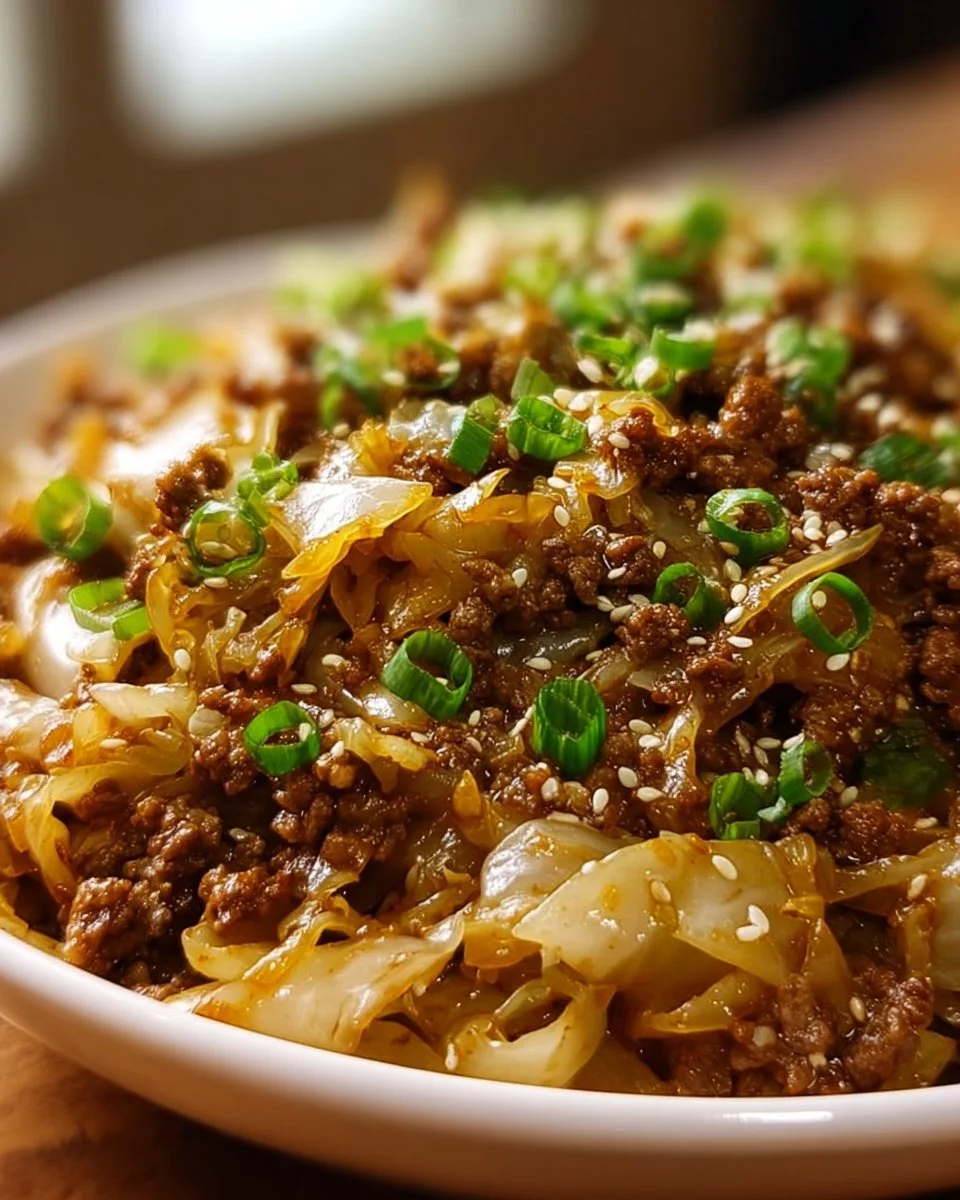
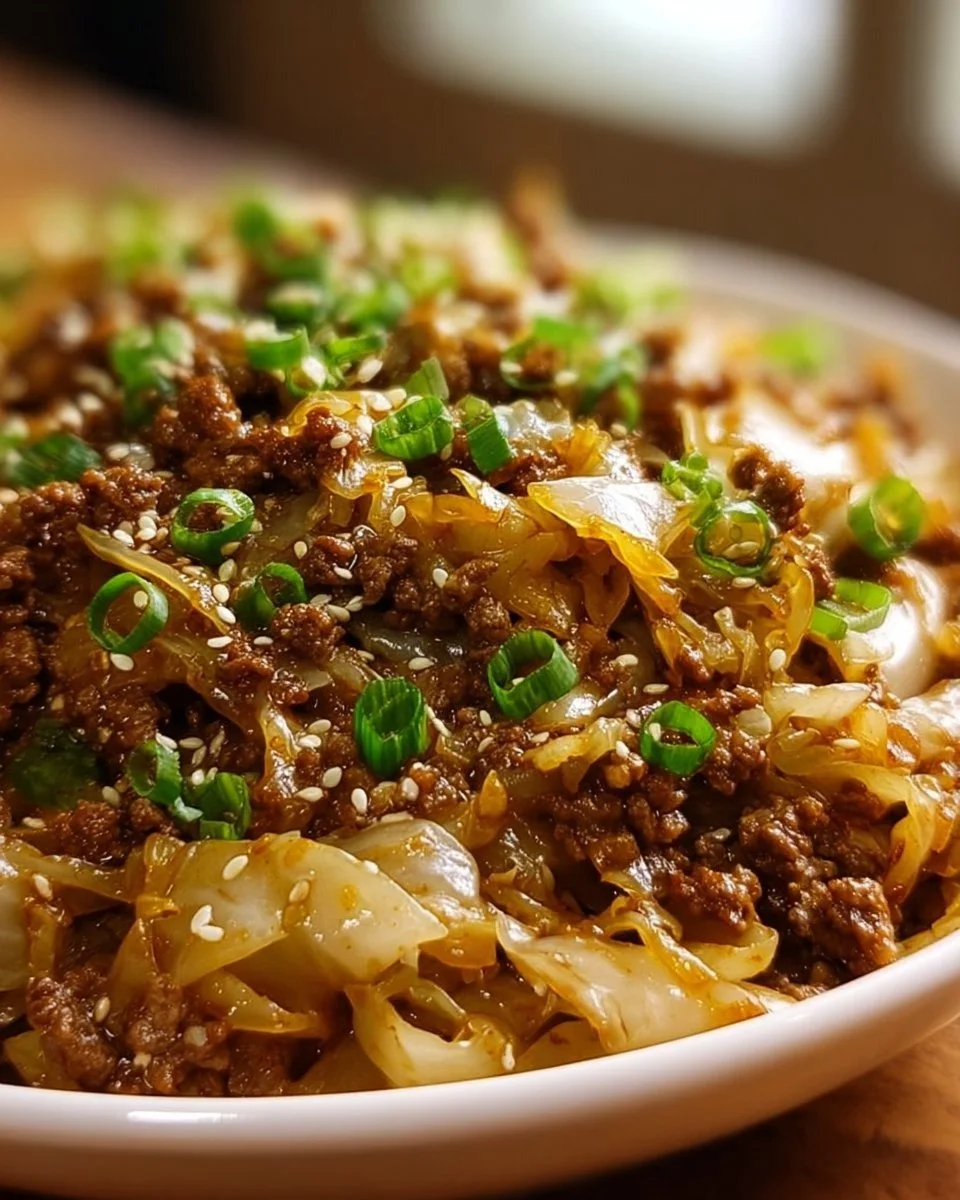
If you’re looking for a quick, nutritious, and delicious meal, look no further than this Low-Carb Mongolian Ground Beef and Cabbage recipe. It’s a fantastic dish that brings together savory ground beef, crisp cabbage, and aromatic spices, creating a delightful symphony of flavors that will have your taste buds celebrating. Not only is it easy to prepare, but it’s also low in carbs, making it perfect for anyone aiming to maintain a healthy diet without sacrificing taste. In just under half an hour, you can have a hearty meal ready for your family or a cozy dinner for yourself.
What Makes This Dish Exceptional
This recipe stands out for many reasons. First and foremost, it’s incredibly easy to make, with just a handful of ingredients that are commonly found in most kitchens. The cooking process is straightforward, making it suitable for beginner cooks while still being enjoyable for seasoned chefs. Additionally, it is budget-friendly and can be made in about 20-30 minutes, making it ideal for busy weeknights. Plus, it’s packed with protein and fiber, ensuring you stay satisfied without a lot of carbohydrates. This versatility and flavor make it a dish worth trying!
Simple Breakdown of the Cooking Steps
The Low-Carb Mongolian Ground Beef and Cabbage recipe comes together in just a few easy steps. You begin by heating sesame oil in a skillet, followed by sautéing garlic and ginger to create a flavorful base. Next, the ground beef is added, which you cook until browned. After that, cabbage is stirred in along with soy sauce, which infuses the dish with authenticity. A quick final seasoning with salt and pepper results in a delightful meal that you can serve immediately. It’s a straightforward process, perfect for home cooks of all levels.
Ingredients
- Prep Time: 10 minutes
- Cook Time: 20 minutes
- Total Time: 30 minutes
- Servings: 4
- 1 lb ground beef
- 4 cups shredded cabbage
- 2 cloves garlic, minced
- 1 inch ginger, minced
- 3 tablespoons soy sauce
- 2 tablespoons sesame oil
- 1 tablespoon green onions, chopped
- Salt and pepper to taste
The main ingredients in this recipe contribute not only flavor but also essential nutrients. Ground beef is an excellent source of protein, while cabbage is low in calories and high in vitamins C and K. The garlic and ginger provide a burst of flavor and bring various health benefits, including anti-inflammatory properties.
Step-by-Step Instructions
- In a large skillet, heat sesame oil over medium heat. This oil is pivotal because it adds a nutty flavor to your dish.
- Add the minced garlic and ginger to the skillet; sauté for about 1 minute until fragrant. Stir continuously to ensure that they don’t burn.
- Next, add the ground beef to the skillet. Cook until browned, breaking it apart with a spatula as it cooks. This step is critical for getting even cooking and flavor distribution.
- Stir in the shredded cabbage and soy sauce. Mix well and cook for another 5-7 minutes until the cabbage is tender. You want it to be cooked but still slightly crunchy; that gives a great texture.
- Season with salt and pepper according to your taste preferences. Remember to taste as you go!
- Finally, garnish with chopped green onions before serving. This adds a fresh touch to your dish.
As a helpful tip, if you prefer your cabbage softer, feel free to cook it longer. Additionally, using a non-stick skillet can help in managing the cooking process and make cleanup easier.
Delicious Ways to Serve This Meal
This Low-Carb Mongolian Ground Beef and Cabbage dish can be served in various ways to enhance your dining experience. You can enjoy it on its own for a quick lunch or dinner, or pair it with a side salad for added freshness. For a heartier meal, serve it over a bed of cauliflower rice or zucchini noodles to keep the carbs low while still feeling filling. As for drinks, consider serving it with iced tea or a light white wine to complement the flavors beautifully.
How to Store Leftovers Safely
Leftovers can be stored in an airtight container in the refrigerator for up to 3-4 days. If you want to keep it for longer, consider freezing it. Transfer the cooled dish into freezer-safe containers, and it should last up to 2-3 months. To reheat, thaw overnight in the fridge and warm it in the microwave or on the stove until heated through. Make sure to stir occasionally for even heating.
Expert Cooking Tips
Here are some pro tips to ensure your Mongolian Ground Beef and Cabbage turns out perfect:
- Always fully drain the fat from the cooked ground beef if you’re using a fattier cut to keep the dish lighter.
- For additional flavor, try adding a dash of red pepper flakes for some heat.
- Avoid overcrowding the pan when cooking the beef, as this can cause it to steam rather than sear.
Common mistakes to avoid include not cooking the cabbage long enough, which can lead to a tough texture. Also, be cautious with the soy sauce; too much can overpower the other flavors.
Suggested Variations for Your Dish
Don’t hesitate to get creative with this recipe! You can substitute ground beef with ground turkey or chicken if you’re looking for a leaner option. If you want to boost the nutrition even more, consider adding bell peppers or carrots for extra color and sweetness. For vegans, tofu or tempeh could be excellent alternatives to ground beef, and using a soy sauce substitute can make this dish fully plant-based while retaining its delicious flavor.
Common Questions Answered
Here are some frequently asked questions about this recipe:
- Can I use other vegetables in this dish? Yes, feel free to add any vegetables you enjoy. Broccoli, snap peas, or even zucchini can enhance the flavor and nutrition.
- Is this meal suitable for meal prep? Absolutely! It keeps well in the fridge and makes for a quick reheatable lunch or dinner.
- Can I make this recipe gluten-free? Yes, simply substitute soy sauce with tamari or coconut aminos, which are gluten-free options.
- What if I don’t have sesame oil? If you don’t have sesame oil, you can use vegetable oil or olive oil, though the flavor will be slightly different.
- How can I make this dish spicy? For a kick, add fresh chili peppers or incorporate sriracha or chili sauce while cooking.