
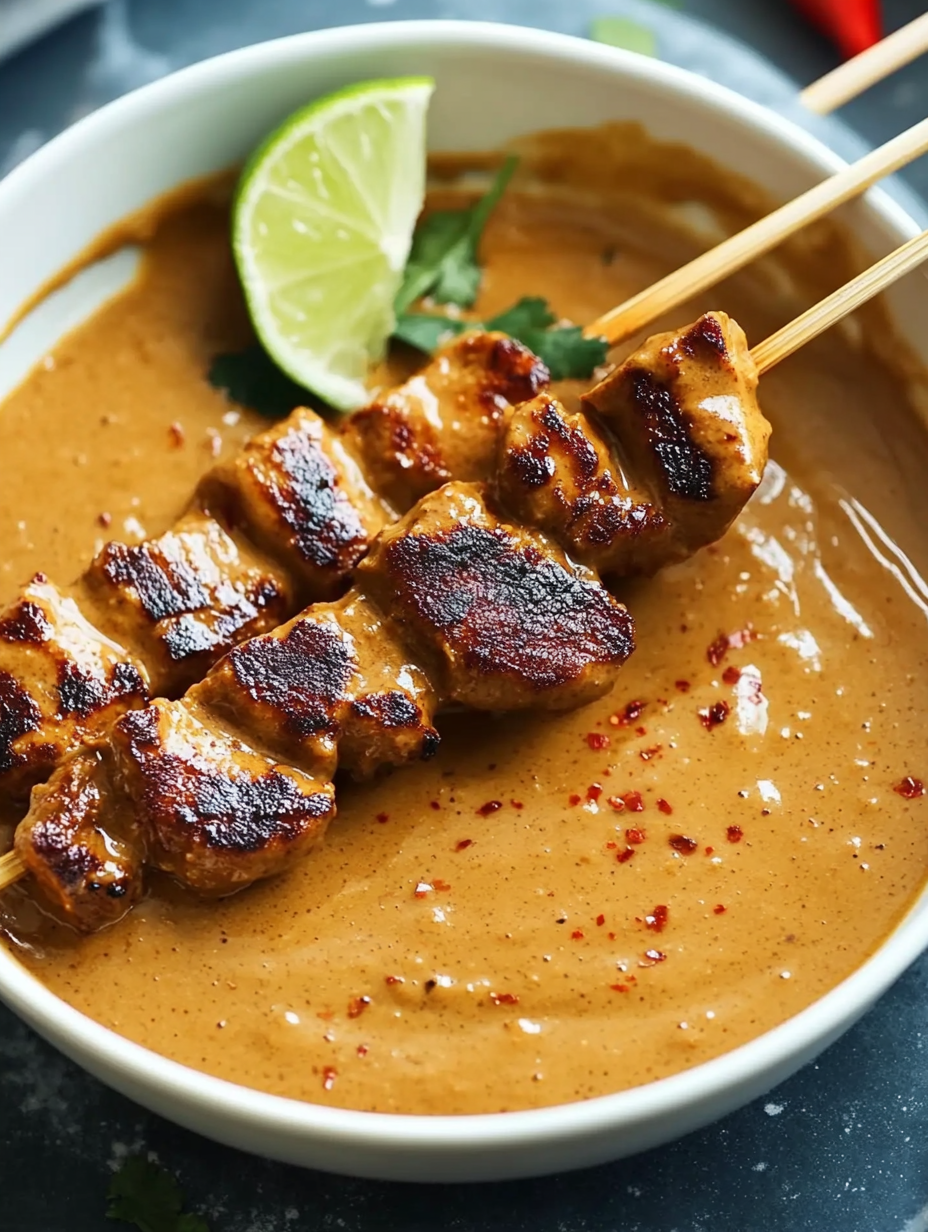
Have you ever tasted a sauce so good it made you pause mid-bite and think, wow, where has this been all my life? That’s exactly what Satay Sauce does. It’s rich, nutty, slightly sweet, a little spicy, and deeply comforting—like a warm hug for your taste buds. Whether you’re drizzling it over grilled chicken, using it as a dipping sauce, or spooning it over noodles, Satay Sauce has a magical way of turning simple food into something unforgettable.
In this guide, I’ll walk you through everything you need to know about Satay Sauce—from its flavor profile and versatility to a foolproof homemade recipe you’ll want to make again and again. Think of this article as your friendly kitchen companion, chatting with you while the sauce gently simmers on the stove.
Table of Contents
| Sr# | Headings |
|---|---|
| 1 | What Is Satay Sauce? |
| 2 | Why Satay Sauce Is Loved Worldwide |
| 3 | The Flavor Profile of Satay Sauce |
| 4 | Key Ingredients That Make Satay Sauce Special |
| 5 | Peanut Butter: The Heart of Satay Sauce |
| 6 | Balancing Sweet, Salty, and Spicy Flavors |
| 7 | Homemade vs Store-Bought Satay Sauce |
| 8 | How to Use Satay Sauce in Everyday Meals |
| 9 | Step-by-Step Satay Sauce Recipe |
| 10 | Preparation Time, Cook Time, and Servings |
| 11 | Tips for Adjusting Consistency and Heat |
| 12 | Common Mistakes to Avoid |
| 13 | How to Store and Reheat Satay Sauce |
| 14 | Health and Nutrition Notes |
| 15 | Why This Satay Sauce Recipe Works Every Time |
What Is Satay Sauce?
Satay Sauce is a creamy peanut-based sauce commonly associated with Southeast Asian cuisine. It’s traditionally served alongside grilled skewered meats, known as satay, but over time, it has found its way into kitchens around the world.
At its core, Satay Sauce is all about balance. It blends peanut butter, soy sauce, lime juice, and coconut milk to create a sauce that’s rich yet refreshing, savory yet slightly sweet. Imagine a perfectly tuned orchestra—every ingredient plays its part, and none overpower the others.
Why Satay Sauce Is Loved Worldwide
Why has Satay Sauce become such a global favorite? The answer is simple: it’s incredibly versatile and deeply satisfying.
You can:
Dip grilled chicken or shrimp into it
Pour it over noodles or rice
Use it as a salad dressing
Spoon it onto roasted vegetables
It adapts to whatever you pair it with. Like a good friend, it fits into every situation without stealing the spotlight.
The Flavor Profile of Satay Sauce
If flavor had a personality, Satay Sauce would be bold but friendly. Here’s what you’ll taste in every spoonful:
Nutty richness from peanut butter
Savory depth from soy sauce
Gentle sweetness from brown sugar and coconut milk
Bright acidity from lime juice
Warm heat from chili flakes and ginger
It’s a flavor rollercoaster—but in the best possible way.
Key Ingredients That Make Satay Sauce Special
Let’s take a closer look at what goes into this sauce. These ingredients are simple, but together they create something extraordinary.
Ingredients (Keep Exact as Requested)
1 cup smooth peanut butter
1/4 cup soy sauce
2 tablespoons brown sugar
2 tablespoons lime juice
1 clove garlic, minced
1 teaspoon ginger, grated
1 teaspoon chili flakes (adjust to taste)
1 can (400 ml) coconut milk
1 tablespoon fish sauce (optional)
Water (as needed for desired consistency)
Each ingredient has a role. Remove one, and the sauce loses its harmony.
Peanut Butter: The Heart of Satay Sauce
Let’s be honest—peanut butter is the star of Satay Sauce. It gives the sauce its creamy texture and signature nutty taste. Smooth peanut butter works best here, creating a velvety consistency that clings beautifully to food.
Think of peanut butter as the canvas, and the rest of the ingredients as the paint. Without it, there’s no masterpiece.
Balancing Sweet, Salty, and Spicy Flavors
Great Satay Sauce is all about balance. Too salty? Add lime juice. Too sweet? A splash of soy sauce fixes that. Want more heat? Chili flakes have your back.
This recipe is forgiving, which means you can tweak it until it tastes just right to you. Cooking should feel personal, not rigid.
Homemade vs Store-Bought Satay Sauce
Sure, you can buy Satay Sauce at the store—but homemade is a different story.
Homemade Satay Sauce:
Fresher taste
Customizable spice and sweetness
No unnecessary additives
Once you try making it yourself, going back to store-bought feels like settling for less.
How to Use Satay Sauce in Everyday Meals
Here’s where the fun begins. Satay Sauce isn’t just for skewers.
Try it:
As a dip for spring rolls
Over stir-fried noodles
As a marinade for chicken
Drizzled on grain bowls
With roasted vegetables
It’s like that one song that fits every mood—you’ll find excuses to use it everywhere.
Step-by-Step Satay Sauce Recipe
Instructions (Keep Exact as Requested)
Mix the base:
In a medium saucepan, combine the peanut butter, soy sauce, brown sugar, lime juice, minced garlic, grated ginger, and chili flakes. Stir over low heat until the ingredients are well mixed.
Add coconut milk:
Slowly pour in the coconut milk while stirring, to integrate it smoothly into the mixture. The coconut milk adds a creamy texture and a subtle sweetness that balances the flavors.
Simmer:
Keep the sauce on low heat and let it simmer gently. If you’re using fish sauce, stir it in now. Allow the sauce to thicken slightly, which should take about 5-10 minutes. If the sauce is too thick for your liking, you can adjust the consistency by adding a little water until you reach the desired thickness.
Adjust and serve:
Taste the sauce and adjust the seasoning if necessary. You can add more chili flakes for heat, lime juice for acidity, or brown sugar for sweetness according to your preference.
Enjoy!
Preparation Time, Cook Time, and Servings
Preparation Time: 10 minutes
Cook Time: 10 minutes
Total Time: 20 minutes
Servings: Approximately 6 servings
Fast, easy, and incredibly rewarding.
Tips for Adjusting Consistency and Heat
Too thick? Add warm water a tablespoon at a time.
Too thin? Let it simmer a bit longer.
Not spicy enough? Increase chili flakes gradually.
Remember, Satay Sauce should coat a spoon—not run off it like water.
Common Mistakes to Avoid
Using high heat (it can scorch the peanut butter)
Skipping the lime juice (you need that acidity)
Over-salting before tasting
Slow and steady wins the sauce race.
How to Store and Reheat Satay Sauce
Store your Satay Sauce in an airtight container in the refrigerator for up to 5 days. When reheating, do it gently over low heat and add a splash of water or coconut milk to bring back the creamy texture.
Health and Nutrition Notes
Satay Sauce is rich and filling, thanks to healthy fats from peanuts and coconut milk. While it’s indulgent, a little goes a long way, making it a satisfying addition to balanced meals.
Why This Satay Sauce Recipe Works Every Time
This recipe works because it respects balance. No single ingredient shouts louder than the others. It’s reliable, flexible, and endlessly delicious—exactly what a great Satay Sauce should be.
Conclusion
Satay Sauce isn’t just a condiment—it’s an experience. It brings warmth, depth, and comfort to your cooking, turning everyday meals into something special. Once you make it at home, you’ll wonder how you ever lived without it. So grab that saucepan, trust your taste buds, and let this sauce become a staple in your kitchen.
FAQs
1. Can I make Satay Sauce without coconut milk?
Yes, but coconut milk gives Satay Sauce its signature creaminess and mild sweetness.
2. Is Satay Sauce spicy?
It can be! The heat level depends on how much chili flakes you use.
3. Can Satay Sauce be made ahead of time?
Absolutely. It tastes even better after resting for a few hours.
4. What dishes pair best with Satay Sauce?
Grilled meats, noodles, rice bowls, and roasted vegetables all pair beautifully.
5. Can I freeze Satay Sauce?
Yes, you can freeze it for up to one month, though the texture may slightly change after thawing.
If you’re looking for a sauce that delivers big flavor with minimal effort, Satay Sauce is the answer. Give it a try—you might just find your new favorite kitchen staple. 🥜✨