
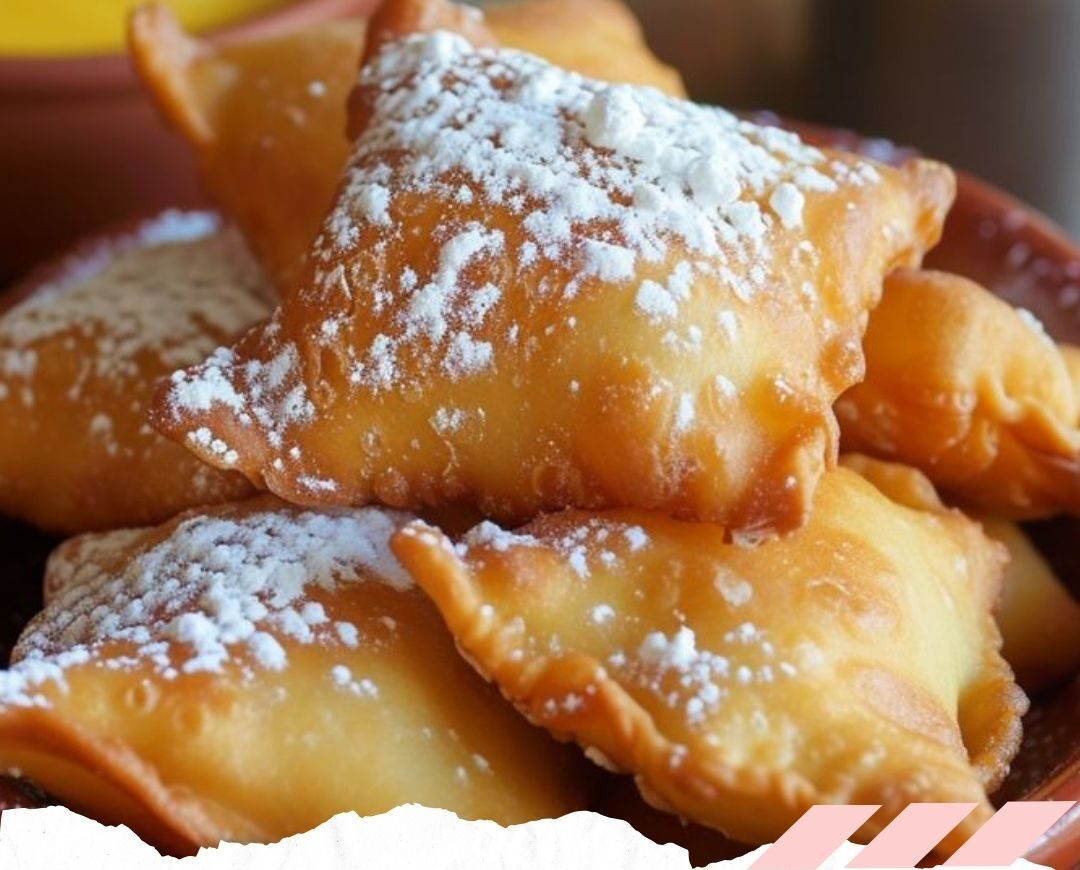
Making Sopapillas at home feels a bit like creating edible pillows—soft inside, golden outside, and coated in warm cinnamon sugar. If you’ve ever wondered how restaurants make these perfectly puffy squares, you’re about to discover just how simple (and fun) it can be.
This guide takes you step-by-step through the process while still keeping your original recipe instructions and ingredients exactly the same. As a bonus, you’ll get expert tips, helpful explanations, and a friendly conversational tone to make this feel like you’re cooking with a friend in the kitchen.
1. Introduction to Sopapillas
If you’ve ever bitten into a warm, golden Sopapilla dusted with cinnamon sugar, you know it’s pure joy. Light, airy, and slightly crisp, these treats are often compared to little clouds—soft, warm, and almost floating. But what if you could make them at home anytime you wanted? With the simple recipe below, you can.
2. What Are Sopapillas?
Sopapillas are a traditional fried pastry found in Mexican, Chilean, and Southwestern U.S. cuisine. They’re typically served warm and coated in sugar, cinnamon, or honey. Think of them as the delightful cousin of fry bread, but puffier and sweeter.
What makes them so special? Their signature puff. When hot oil meets soft dough, steam expands inside and turns each little square into a pocket of air.
3. Ingredients You Need
Here are the exact ingredients, unchanged as requested:
2 cups all-purpose flour
1 teaspoon baking powder
1/2 teaspoon salt
2 tablespoons granulated sugar
2 tablespoons vegetable oil
3/4 cup warm water
Vegetable oil, for frying
Cinnamon sugar (1/2 cup granulated sugar mixed with 1 tablespoon ground cinnamon), for coating
Honey, for drizzling (optional)
Each ingredient plays a unique role in the magic of Sopapillas—from structure to flavor to puffiness.
4. Step-by-Step Instructions
Following your instructions exactly:
In a mixing bowl, whisk together the all-purpose flour, baking powder, salt, and granulated sugar.
Add the vegetable oil and warm water to the dry ingredients. Stir until a dough forms.
Knead the dough briefly on a lightly floured surface until smooth and elastic.
Cover the dough with a clean kitchen towel and let it rest for 10–15 minutes.
On a lightly floured surface, roll out the dough to a thickness of about 1/4 inch. Use a knife or pizza cutter to cut the dough into squares or triangles.
In a deep skillet or pot, heat vegetable oil to 350°F (175°C) over medium heat.
Carefully add the Sopapillas to the hot oil, a few at a time, and fry until golden brown and puffed up, about 1–2 minutes per side.
Remove the Sopapillas from the oil using a slotted spoon and drain on paper towels.
While still warm, coat the Sopapillas in the cinnamon sugar mixture, shaking off any excess.
Serve the Sopapillas warm with a drizzle of honey, if desired.
5. Prep Time, Cook Time & Servings
Prep Time: 15 minutes
Rest Time: 10–15 minutes
Cook Time: 5–8 minutes
Total Time: 30 minutes
Servings: About 12–16 Sopapillas depending on size
6. Why Sopapillas Puff Up
Even though the recipe seems simple, there’s science happening behind the scenes.
Here’s what creates the iconic puff:
Warm water hydrates the flour, forming gluten, which stretches easily.
Baking powder reacts with the water, creating bubbles.
When you drop the dough into hot oil, moisture trapped inside turns to steam.
Steam expands rapidly—like blowing up a balloon—and creates that hollow pocket.
It’s like watching a tiny culinary magic trick unfold in your frying pan.
7. Tips for Perfect Frying
Frying can feel intimidating, but with a few tricks, it becomes surprisingly easy.
Key Tips:
Temperature matters. Oil should be 350°F (175°C).
Too hot = burned outside, raw inside.
Too cold = greasy, heavy Sopapillas.Don’t overcrowd. This cools the oil quickly.
Flip gently. The puff happens fast—within seconds.
Always drain on paper towels. This keeps them crisp and light.
8. Rolling and Cutting the Dough
Dough thickness determines everything—from puffiness to texture.
Roll to 1/4 inch thickness
Too thin, and they become crackers.
Too thick, and they may not puff.
Cut into:
Squares for classic Sopapillas
Triangles for restaurant-style presentation
Mini bites for dipping
Consistency in size helps them cook evenly and puff uniformly.
9. Choosing the Right Oil
The flavor of Sopapillas heavily depends on the oil used.
Best Oils:
Vegetable oil (as in your recipe)
Canola oil
Peanut oil
Avoid oils with strong flavors like olive oil.
Your oil should be:
Neutral
High smoke-point
Fresh (old oil makes heavy, soggy pastries)
10. Cinnamon Sugar Coating Secrets
This coating makes Sopapillas irresistible.
Tips:
Coat them while warm, not hot.
Use a large bowl or paper bag to shake them.
Mix cinnamon evenly with sugar to avoid clumping.
Add a pinch of nutmeg or cloves (as suggested in your tips) for depth.
11. Serving Ideas and Variations
Sopapillas are incredibly versatile.
Classic Serving Ideas
Drizzled with honey
Served with chocolate sauce
Topped with whipped cream
Paired with vanilla ice cream
Creative Twists
Stuff with cream cheese filling
Dip in fruit purees
Serve with caramel or dulce de leche
Make savory Sopapillas (skip cinnamon sugar)
12. How to Store and Reheat Sopapillas
Sopapillas taste best fresh, but leftovers can still shine.
To Store:
Place in an airtight container
Keep at room temperature for up to 2 days
To Reheat:
Use a toaster oven or oven
Heat at 300°F for 5–6 minutes
Avoid microwaving—they turn chewy
13. Common Mistakes to Avoid
Even simple recipes have pitfalls. Here’s what to watch out for:
Mistake 1 – Oil not hot enough
Leads to greasy, heavy pastries.
Mistake 2 – Rolling too thin
Prevents proper puffing.
Mistake 3 – Skipping dough rest
Resting relaxes the gluten so the dough puffs easily.
Mistake 4 – Overcrowding the pot
Drops oil temperature and ruins texture.
Mistake 5 – Using cold water
Warm water helps the dough come together smoothly.
14. Flavor Add-Ons and Creative Twists
Want to elevate your Sopapillas? Try these fun additions:
In the dough:
Citrus zest
Vanilla extract
Cinnamon
On top:
Cocoa powder sugar mix
Powdered sugar dusting
Maple syrup
Dipping sauces:
Nutella
Salted caramel
Strawberry glaze
Cream cheese frosting
15. Final Thoughts
Sopapillas are more than just a recipe—they’re an experience. Making them at home brings warmth, nostalgia, and a little bit of magic to your kitchen. With simple ingredients and easy steps, you can create a treat that delights children and adults alike.
Now that you know how to make perfect Sopapillas—from mixing the dough to achieving the ideal puff—you’re ready to bring this classic comfort dessert to life anytime.
FAQs
1. Why didn’t my Sopapillas puff up?
Your oil may not have been hot enough, or your dough may have been rolled too thin.
2. Can I bake Sopapillas instead of frying them?
Traditionally they are fried, but you can bake them at 400°F until golden. They won’t puff as dramatically but still taste great.
3. Can I make Sopapilla dough ahead of time?
Yes! You can prepare the dough and refrigerate it for up to 24 hours. Bring it to room temperature before rolling.
4. What should I serve with Sopapillas?
Honey, cinnamon sugar, chocolate sauce, or ice cream all pair beautifully.
5. Can I freeze Sopapillas?
Yes. Freeze after frying, then reheat in the oven at 300°F. They won’t be exactly like fresh ones, but still delicious.